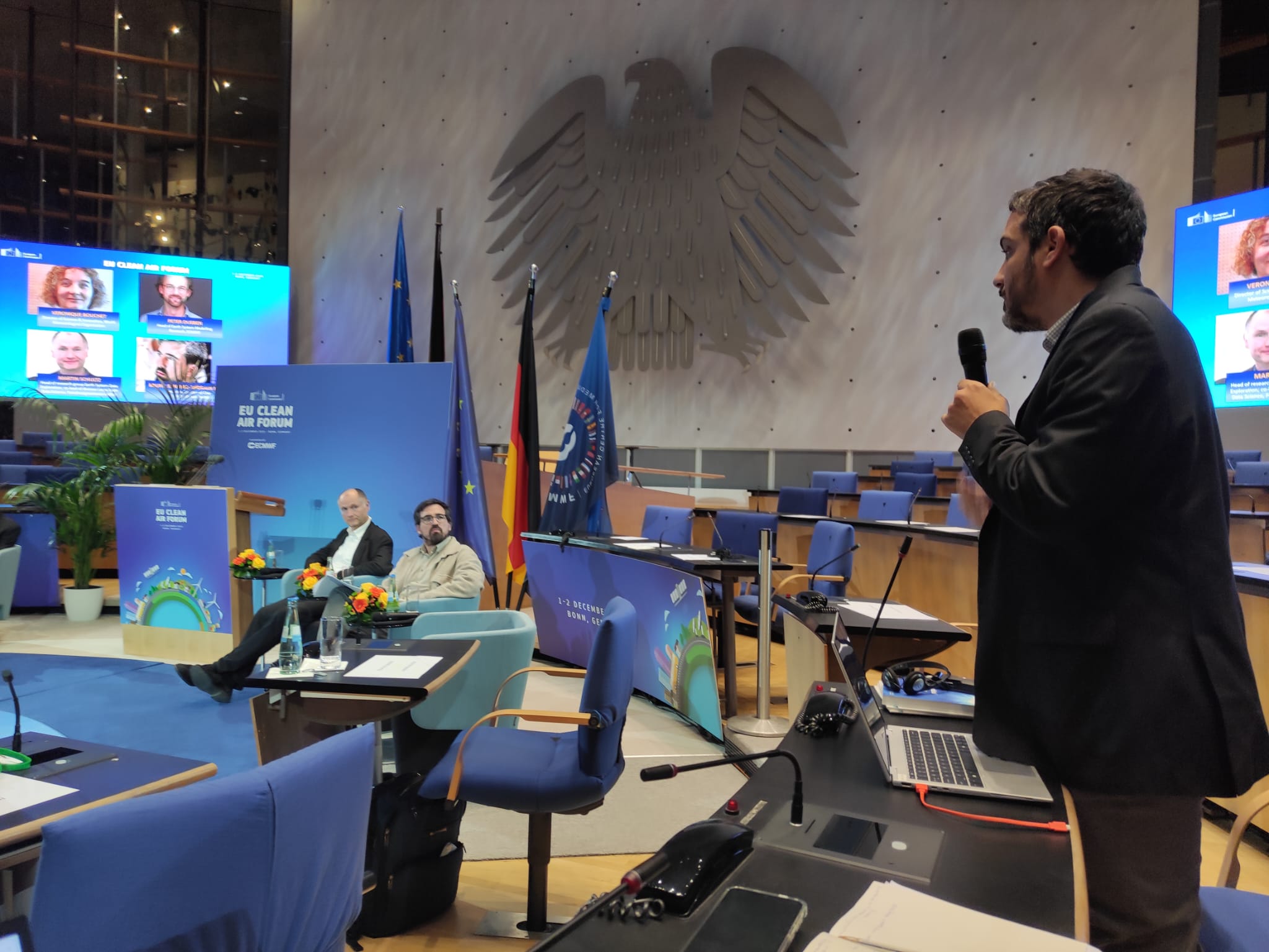
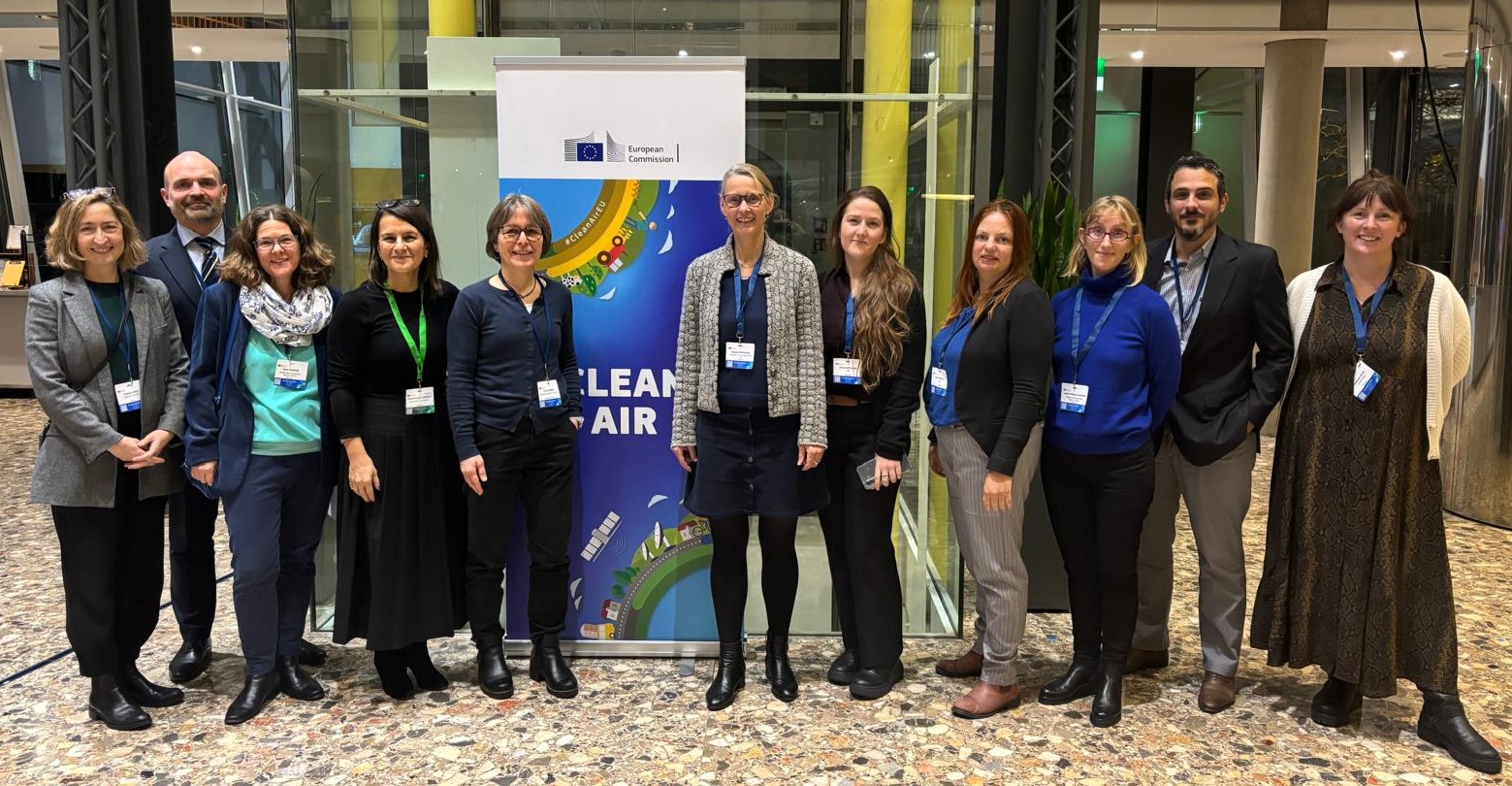
The 5th EU Clean Air Forum in Bonn brought together policymakers, scientists and civil society to discuss air quality in Europe. EFA represented people living with allergy, asthma and COPD and highlighted that recent progress in EU air quality law will only matter if it is implemented fully and on time. We worked alongside the EU Healthy Air Coalition (EUHAC), where EFA is a founding member, to bring patient evidence and priorities into EU air and climate policy debates.
The discussions in Bonn were framed by new European Environment Agency data showing that air pollution is still responsible for about 280,000 preventable deaths every year in Europe. EFA data and experience also point to a persistent burden in terms of asthma and COPD exacerbations, hospital visits and reduced quality of life linked to poor air quality. (EFA Raising the bar for better standards of care for Chronic Obstructive Pulmonary Disease Report, 2024)
Against this evidence, Commissioner Jessica Roswall said that EU efforts on clean air need to intensify. In parallel, EEA Executive Director Leena Ylä-Mononen highlighted that vulnerable groups must be the focus of future action. For the EFA patient community, this includes people whose lung health is already compromised and who experience more symptoms, more frequent medical care and higher costs when air quality is poor.
From EU law to national implementation
The revised Ambient Air Quality Directive, agreed in 2024, marked an important step for cleaner air and public health in Europe. While not fully aligning with the latest WHO recommendations, the revised AAQD, lowers limit values for major pollutants, introduces regular legislative reviews and strengthens people’s rights to clear information, justice and compensation when air is illegally polluted. EFA contributed to this revision as a stakeholder, recognising air pollution as a major risk factor for allergy and respiratory disease. Its real impact will depend on how far Member States turn it into concrete national measures that reduce exposure to harmful pollutants.
The Bonn Forum showed that the NECD remains a crucial part of this work. On the second day, the European Commission announced the results of the evaluation of NECD, which shows ‘good progress’ but also room for improvement in terms of the implementation of the Directive, particularly in sectors where progress has been slow: agriculture, domestic heating and transport. Through EUHAC, EFA has called on the Commission to speed up binding emission reductions to 2030 and beyond, include targets for pollutants such as methane, and phase out subsidies that lock in fossil fuels, biomass burning and ammonia-intensive practices, redirecting support towards pollution prevention.
Innovation and monitoring that work for patients
Innovation was a strong focus in Bonn. The first day explored how AI, machine learning and new monitoring tools can support cleaner air. EFA’s representative, Panagiotis Chaslaridis, pointed to a major gap: the absence of real-time pollen monitoring across Europe. Pollen is a natural pollutant, worsened by human-driven activities. Yet, for millions of people with seasonal allergy, it is a powerful trigger for symptoms, missed work or school and, for some, severe asthma attacks. Integrating pollen into routine air quality monitoring and alerts would give patients practical information so they can plan their day, adjust treatment with their healthcare professional and reduce exposure.
Climate, air quality and lung health
Speakers also discussed how climate and air quality policies are closely linked. Cutting emissions that drive climate change, including from biomass burning and other high-polluting fuels, can at the same time improve the air people breathe both indoors and outdoors. For EFA, climate measures on heating, mobility and food systems should be judged not only on their climate impact, but also on how much they reduce pollutants that harm lung health.
Communication on air pollution
Finally, the Forum confirmed that communication is central to effective air quality policy. HEAL’s Anne Stauffer reminded participants that people need clear, local and relevant information to understand risks and act on them. EFA has consistently argued that access to healthy air and to understandable, health-focused and real-time air quality information are fundamental rights. For people with allergy, asthma and COPD, indices and alerts should spell out what the situation means for their condition and what concrete steps they can take that day.
Following the 5th EU Clean Air Forum, EFA and EUHAC will continue to work so that EU air quality laws are implemented as they were intended: reducing pollution at the source, aligning standards with scientific evidence and putting the vulnerable communities at the centre. Since last year, the EU has put a stronger legal framework in place. The next phase must ensure that people living with allergy, asthma and COPD feel the difference in their daily lives through cleaner air, fewer exacerbations and better protection of their lung health.